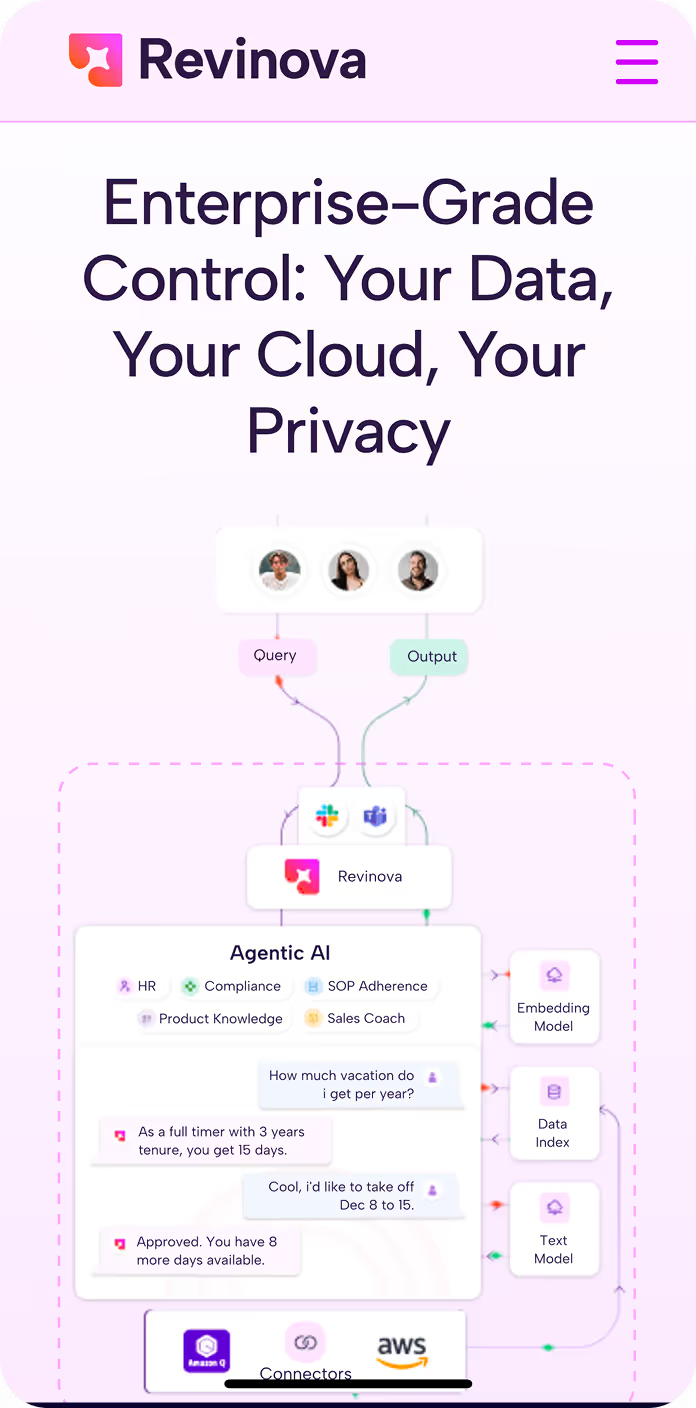
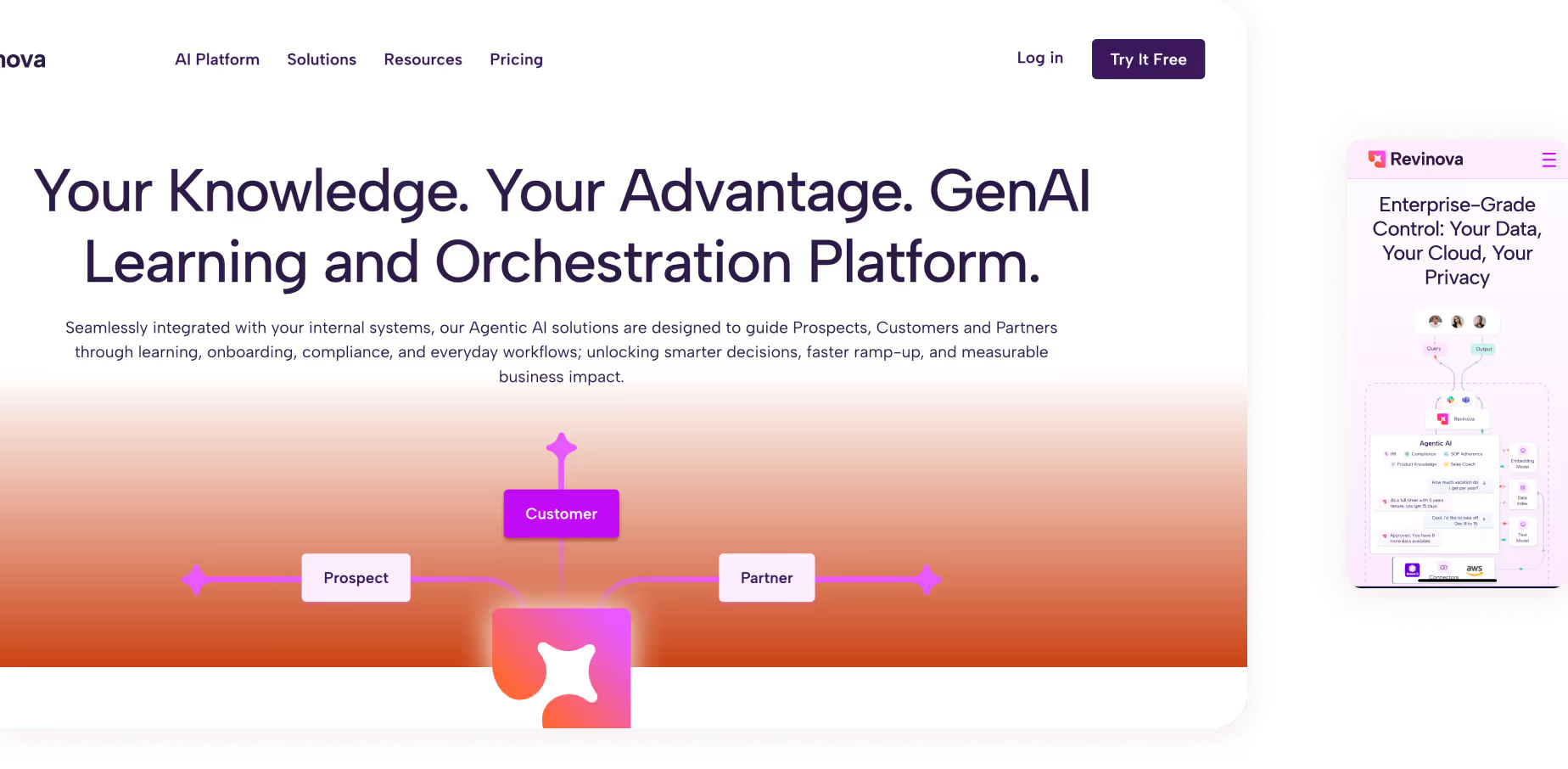
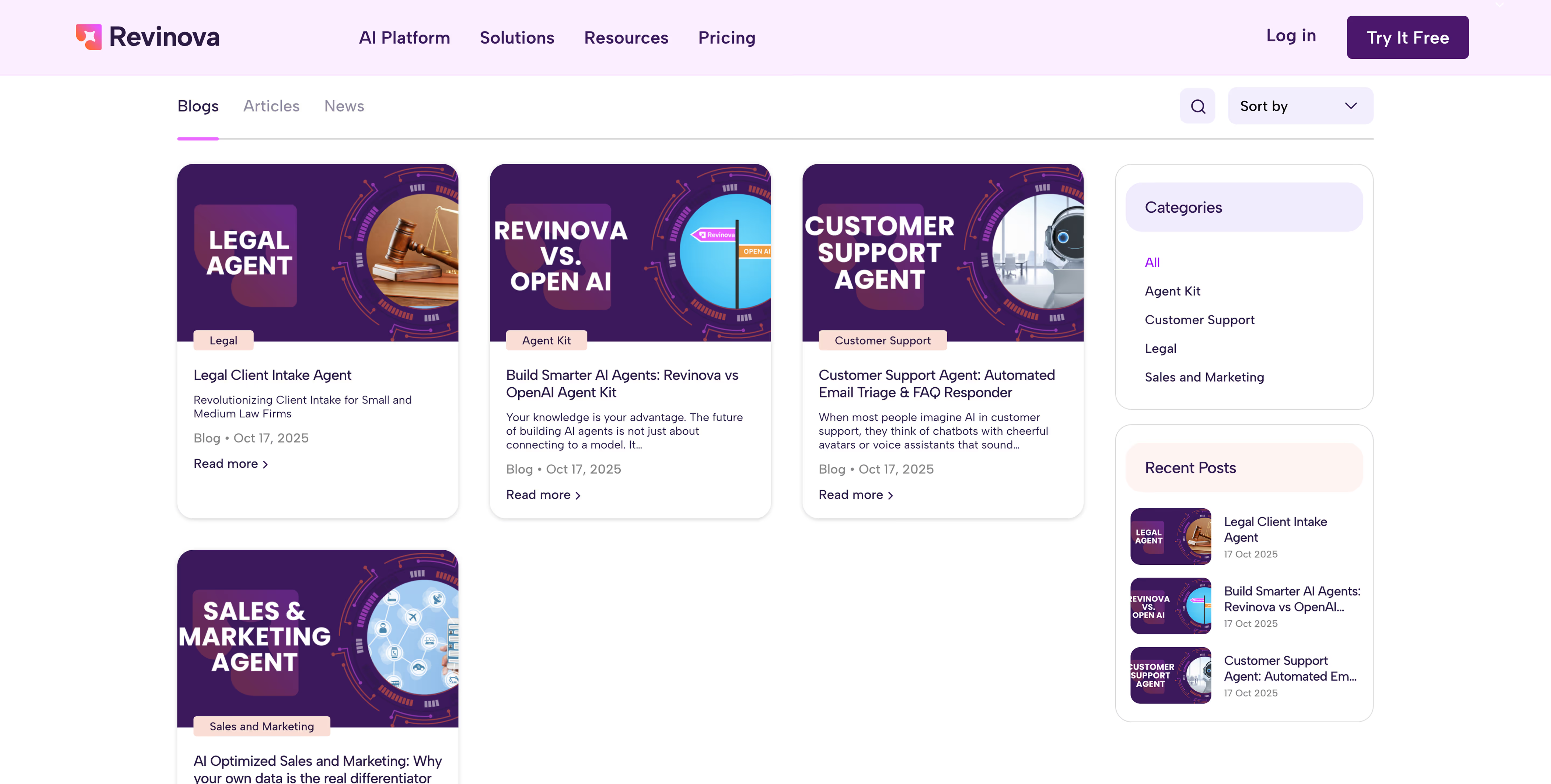
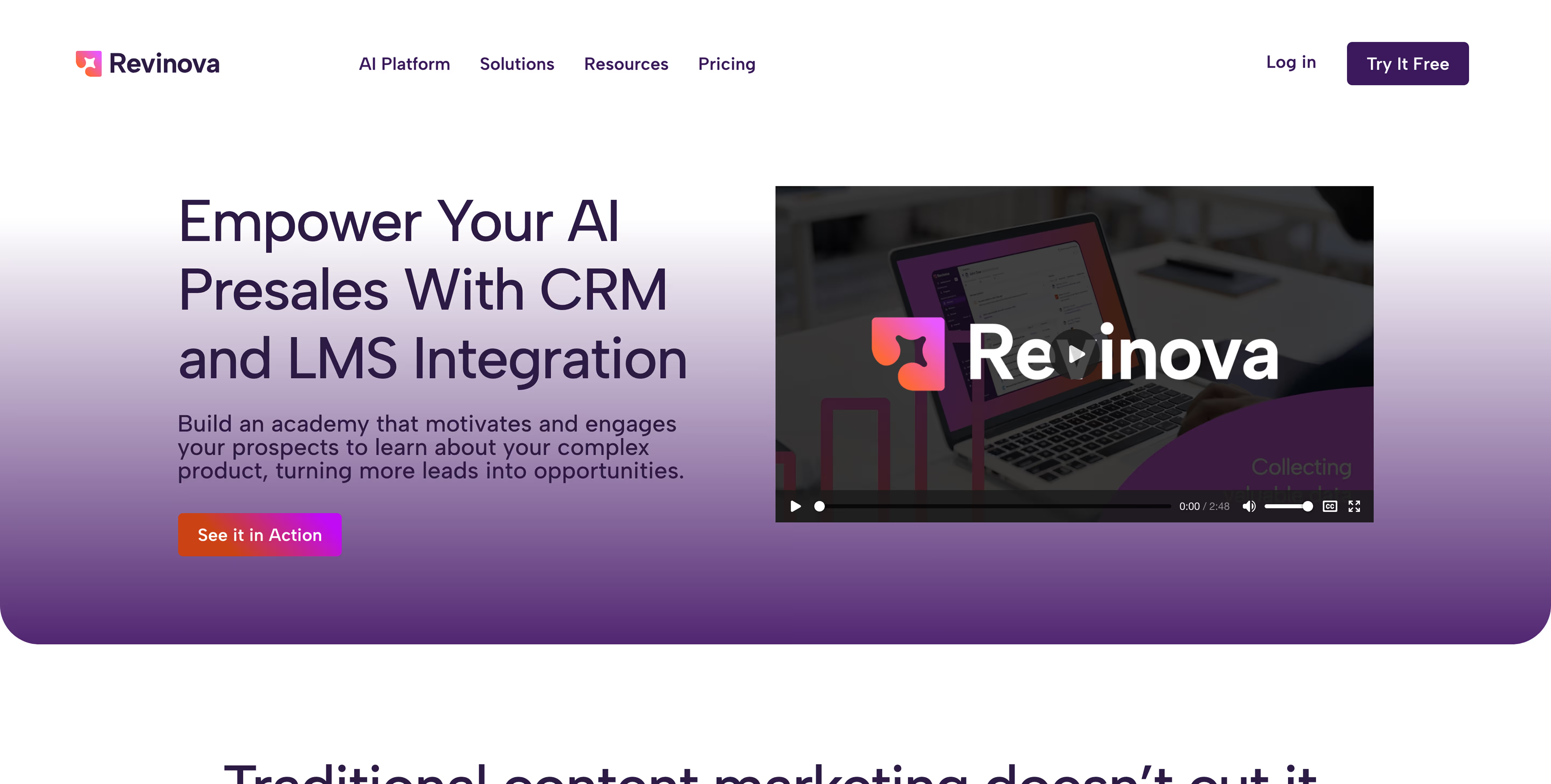
At first, I planned to write about another project, but I realized that although it was also a web application, the process there was quite linear - client collaboration, iterative design, final result. In contrast, Revinova had a less straightforward path, and the user testing phase became a true highlight compared to standard dashboard and table design work.

some product audit I´ve done
During this phase, I collaborated closely with my senior designer. We split responsibilities: he worked on research concept and reference designs, while I refined missing screens, helped develop surveys, created studies in Maze, and handled tester recruitment and research management - end-to-end ownership of testing execution.
While preparing design assets was fairly straightforward, integrating with Maze raised several technical questions. I turned to resources and self-learning to resolve them and successfully created all necessary test materials and linked Figma prototypes.
The next step was finding study participants. Here, I applied my background in sociological research, recalling my experience selecting participants for large-scale international non-formal education projects.
I defined target user demographics, created a pre-selection questionnaire to filter unsuitable candidates, and selected those who best fit the criteria - enabling us to start testing.
In another project, the O2X Application, I also helped organize user testing, but unlike Revinova, we already had a pool of actual app users, so no additional recruitment was required. This project gave me a valuable new skill—recruiting testers from scratch.
Afterward, I collected all data from Maze, reviewed video and audio recordings, and prepared a detailed report of research findings, which I presented to the client. Working on user testing for Revinova was the moment I fully strengthened my practical knowledge in user research and applied it effectively to uncover insights essential for product positioning.
Bringing order to the design process:
→ argumentative lobbying of the implementation of the UX-research-based design approach
→ applying project management skills to resolve confusing situations
Creating quality base for the further product work:
→ applying deep research methods
→ coordinatingcagenda in advance and tactic manner of communication